October 5, 2026
Investing in a residential swimming pool represents one of the most transformative home improvement decisions a property owner can make. Beyond creating an inviting oasis for summer relaxation, adding an in-ground pool enhances outdoor living spaces and elevates overall property appeal. According to RubyHome, adding a swimming pool can increase a property's market value by as much as 7%. This noticeable uptick in market value makes a well-designed pool a strategic long-term financial investment as well as a lifestyle upgrade. However, bringing a custom aquatic retreat to life involves far more than simply digging a hole and filling it with water. It requires a carefully structured construction journey that blends architectural design, engineering precision, and specialized trade skills. Navigating this multi-phase process with realistic expectations helps ensure a seamless experience from initial excavation to your very first swim. Partnering with experienced pool builders guarantees that each technical milestone is executed safely, efficiently, and in full compliance with local building standards.
Navigating Initial Design and Permitting
Every successful pool installation starts long before heavy equipment arrives at your residence. The initial phase focuses entirely on planning, layout design, and securing municipal authorization. During this preliminary period, homeowners collaborate closely with local pool builders to select pool dimensions, depth profiles, structural materials, and custom features such as spas or tanning ledges. Once the design concepts are finalized into engineering blueprints, the documentation must be submitted to municipal planning offices for review. Securing zoning clearance, building permits, and utility markers ensures the project complies with local property set-back rules and environmental codes. Proper permit acquisition protects homeowners from future compliance penalties or unexpected project shutdowns. While actual permit processing times vary depending on municipal workloads, taking the time to complete this administrative foundation correctly prevents costly construction delays and legal complications later.
Preparing the Ground with Excavation
Once all municipal permits are approved and property lines are verified, physical transformation begins on your land. Heavy machinery, such as excavators and skid steers, arrives on site to begin clearing vegetation and digging the structural footprint. Professional pool builders carefully guide the machinery operators to match the precise elevation, shape, and depth thresholds mapped out in the engineering blueprints. Soil conditions, rocky ground, and high groundwater tables can present unique challenges during this phase, requiring specialized excavation methods. The excavated dirt is systematically cleared, with portions often reserved for essential grade balancing across the surrounding landscape. Clear communication between the excavation crew and the homeowner prevents accidental damage to existing underground landscaping features. Excavation typically takes a few days, leaving a clearly defined earth cavity ready for structural framing and reinforcements.
Building the Framework and Steel Reinforcement
With the excavated cavity prepared, work transitions to establishing the structural backbone of the swimming pool. Installation crews install sturdy wood formwork around the perimeter to define the outer borders and coping lines. Inside the excavation pit, skilled craftspeople place an intricate grid of steel rebar tied together with wire. This steel cage forms the high-tensile internal skeleton that reinforces the entire structure against ground movement and water pressure. During this phase, professional pool builders maintain rigorous quality checks to ensure the steel framework maintains appropriate clearances from the dirt walls. Precise spatial alignment during steel tying ensures uniform strength throughout every corner of the excavation pit. Correct steel placement guarantees that the future shell achieves maximum durability, preventing structural cracking over decades of seasonal temperature shifts.
Installing Essential Plumbing and Electrical Systems
Before applying any permanent structural shell materials, the underlying operational infrastructure must be installed. Mechanics and electricians lay out complex networks of high-density piping, main drains, skimmer lines, return jets, and feature feeds beneath the steel framework. This subterranean plumbing network routes water between the pool basin and the primary filtration and pumping equipment. Simultaneously, certified electricians run heavy-duty conduit lines to supply power for circulation pumps, salt systems, automation controllers, and underwater lighting fixtures. Dedicated pool builders conduct rigorous pressure tests on the sealed pipe networks to ensure absolute airtight and watertight integrity before covering the infrastructure. Verifying leak-free plumbing at this stage guarantees smooth operational performance once the pool is completed.
Applying the Heavy Structural Shell
Applying the structural shell transforms the raw steel grid into a recognizable swimming pool structure. For concrete pools, specialized crews use pneumatic equipment to spray gunite or shotcrete evenly over the steel reinforcement grid. Skilled tradespeople hand-trowel the dense concrete mixture to create smooth walls, steps, benches, and clean structural contours. For fiberglass pool installations, a pre-engineered factory shell is lowered directly into the excavated space using a heavy crane, followed by plumbing tie-ins and backfilling. For vinyl liner configurations, structural wall panels are bolted together over a prepared base material. Experienced pool builders monitor curing conditions closely, as freshly applied concrete requires dedicated watering routines over several weeks to reach its full structural strength.
Crafting Surrounding Decks and Custom Masonry
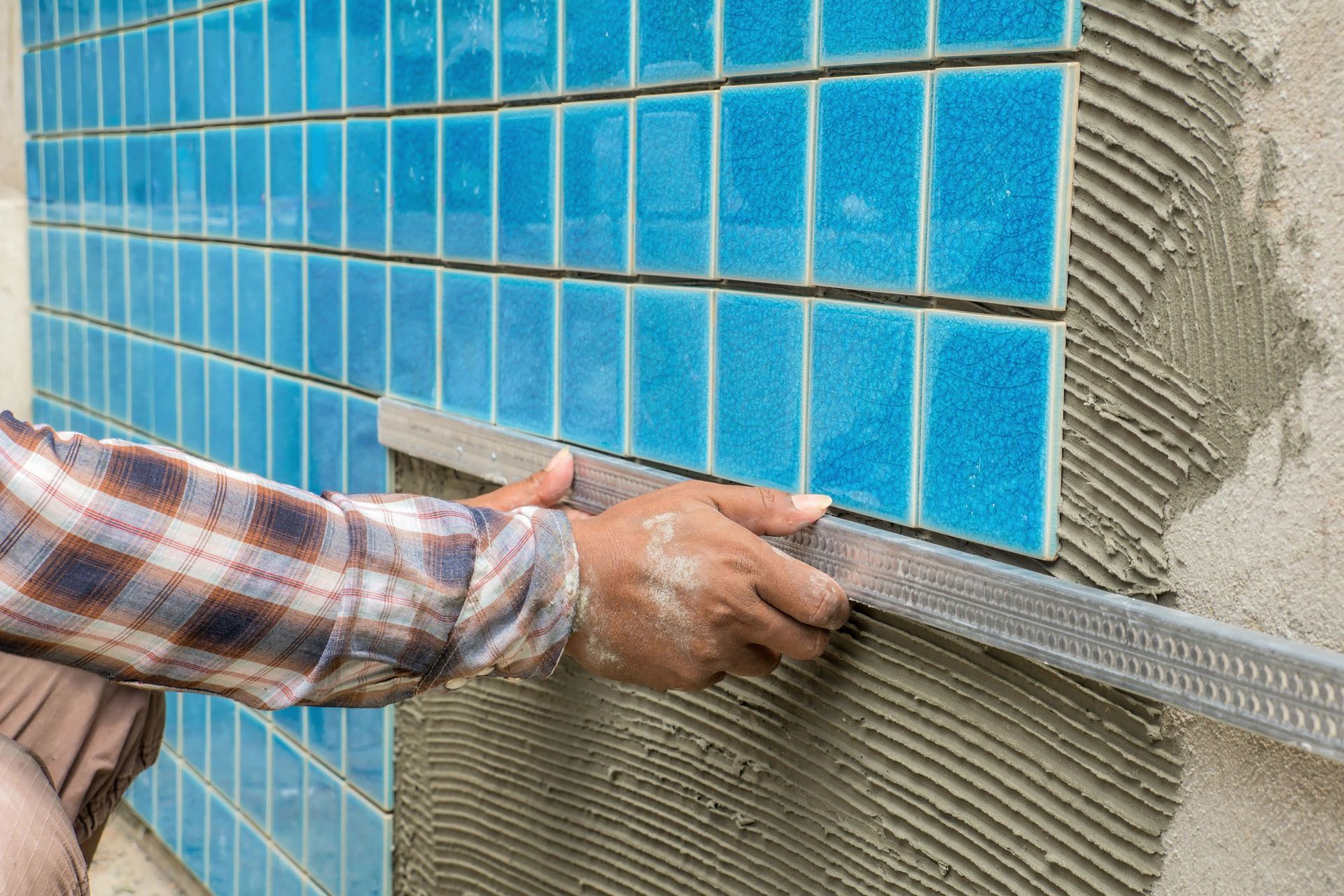
With the core pool shell cured and stable, focus shifts outward to aesthetic finishes, waterlines, and surrounding hardscapes. Craftsmen install frost-resistant perimeter tile along the top waterline and lay elegant coping stone along the pool edge. Concurrently, excavation teams prep the surrounding ground for concrete decking, stone pavers, or wooden poolside patios. Adding surrounding hardscape features expands outdoor living spaces and provides a smooth transition between the home and the water. This phase often includes installing retaining walls, outdoor kitchens, fire pits, or decorative waterfalls. Custom masonry features elevate the visual appeal of the entire backyard while seamlessly integrating the pool area with existing home architecture. Expert pool builders integrate comprehensive drainage solutions beneath surrounding decks to divert rainwater away from the pool basin, protecting both the pool shell and surrounding landscaping from water accumulation.
Finishing Interior Surfaces and Filling the Pool
The final structural phase involves applying the specialized interior finish that coats the pool basin. Homeowners can select from classic smooth plaster, exposed quartz aggregate, or durable pebble finishes, each offering distinct textures and water colors. Immediately following the interior finish application, fresh water is turned on to begin filling the basin continuously. It is critical that the water fill runs uninterrupted until the pool reaches middle skimmer levels to prevent hydration lines or surface staining on the fresh finish. Monitoring the fill process continuously prevents accidental overfilling and protects the delicate plaster coat during its curing period. Licensed pool builders oversee the initial filling process, ensuring that the water level balances properly while protecting the newly applied surface materials from premature wear during the initial curing window.
Balancing Chemical Systems and the First Swim
Filling the pool with water is an exciting milestone, but the system is not quite ready for swimmers just yet. The newly filled pool requires careful chemical balancing and system testing before anyone dives in. Technicians start up circulation pumps, check filter pressure gauges, align water valves, and program automated sanitation systems. Chemicals such as chlorine, pH balancers, stabilizers, and calcium hardness adjusters are systematically added to establish clean, clear, and biologically safe swimming conditions. Running the circulation pump continuously during the first few days ensures thorough chemical integration throughout the entire water volume. Experienced pool builders guide homeowners through initial maintenance protocols, equipment controls, and water testing steps during a comprehensive orientation. Once the water chemistry achieves perfect balance and clarity, the installation is officially complete, marking the arrival of your long-awaited first swim.
Building a residential pool is a rewarding process that transforms your outdoor space into an enduring haven for relaxation, entertainment, and enhanced home value. Following a structured plan and working step-by-step alongside trusted industry experts keeps construction on track and ensures every detail meets high safety and quality standards. Contact Big Sur Pool Co today to schedule a consultation and turn your ideal backyard vision into a reality.